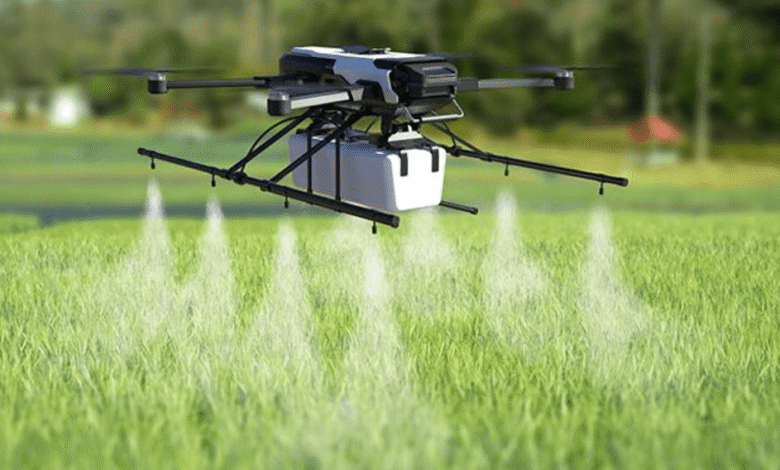
Advancements in agricultural technology are reshaping traditional farming methods into highly precise, data-driven systems. Drones, soil sensors, and artificial intelligence enable real-time monitoring and decision-making, optimizing resource use and increasing yields. While these innovations promise sustainability and efficiency, their widespread adoption faces challenges. Exploring how these tools are transforming agriculture reveals both opportunities and obstacles that could define the future of food production.
Transforming Traditional Farming With Innovative Technologies
The integration of innovative technologies has fundamentally reshaped traditional farming practices, enabling a transition from intuition-based methods to data-driven decision making.
Drone farming and soil sensors exemplify this shift, providing precise, real-time insights into crop health and soil conditions.
This synergy grants farmers autonomy, fostering sustainable practices rooted in detailed analytics rather than guesswork.
See also: The Power of Personalization in the Tech Industry
Key Tools Powering Smart Agriculture
Advancements in digital hardware and software have introduced a suite of tools that underpin the efficiency and accuracy of modern smart agriculture systems. Drone mapping enables detailed spatial analysis.
While soil sensors provide real-time data on nutrient levels and moisture. Together, these tools empower farmers to optimize resource use, enhance crop yields, and unlock new levels of operational autonomy and freedom.
Benefits of Digital Agriculture for Sustainability
How does digital agriculture contribute to environmental sustainability?
Challenges and Future Trends in Agricultural Tech
Despite the promising potential of agricultural technology, numerous challenges hinder its widespread adoption and effective implementation. Soil health monitoring and water conservation remain critical, yet often overlooked.
Future trends focus on integrating AI-driven solutions to optimize resource use, enhance sustainability, and empower farmers to make autonomous decisions.
Ultimately, these advancements aim to foster resilient, innovative farming systems free from traditional constraints.
Conclusion
As technology continues to reshape agriculture, the potential for smarter, more sustainable practices becomes increasingly attainable. While innovations like drones and sensors are bridging gaps in efficiency and resource management, widespread adoption remains a hurdle. Embracing these advancements requires overcoming resistance and refining autonomous systems. Ultimately, harnessing technological progress allows agriculture to stay ahead of the curve—proving that in this evolving landscape, the early bird catches the worm, ensuring a resilient future for global food security.